All Categories
Featured


Modern Score Repair Methods for Adults
Dep' t of Ins. & Fin. Servs. Jan. 17, 2024), offered at. The motor vehicle maximum file cost in Ohio is upgraded every year to show inflation. 2022 modifications to the Uniform Commercial Code address emerging technologies, providing updated rules for industrial deals involving virtual currencies, distributed ledger technologies( including blockchain), artificial intelligence, and other technological developments. The changes cover almost every short article of the UCC and add a new Article 12 dealing with specific types of digital assets defined as" Manageable Electronic Records. "The amendments also clarify the UCC's applicability to blended transactions involving both items and services. Oregon embraced these amendments effective January 1, 2026. See. Thirty-three jurisdictions have actually now adopted the 2022 amendments., reliable January 1, 2026, restricts medical provider from reporting the amount or existence of medical debt to a customer reporting agency( CRA), and forbids a CRA from including in a customer report an item that the CRA knows or must know is medical debt. is efficient January 1, 2026, establishing a detailed new data personal privacy law. In addition to federal wage garnishment defenses that use the federal minimum wage in determining secured earnings, numerous states set limitations on wage garnishment using the state's own guideline of the base pay. Nineteen states are raising the base pay on January 1, 2026: Arizona($ 15.15), California($ 16.90 )( 29 California localities likewise increased their minimum earnings), Colorado ($ 15.16), Connecticut($ 16.94 ), Hawaii($ 16), Maine ($ 15.10), Michigan ($ 13.73), Minnesota($ 11.41 ), Missouri( $15.00), Montana(
$ 10.85), Nebraska($ 15.00), New Jersey($ 15.92, with particular variations ), New york city( $17.00/ 16.00 depending upon area), Ohio ($ 11.00 ), Rhode Island( $16), South Dakota($ 11.85), Vermont($ 14.42), Virginia ($ 12.77), and Washington State ($ 17.13). For more on state solutions for securing salaries from garnishment, see( Dec. 2025) See also,. The FCC's brand-new guideline on revocation of permission, 47 C.F.R. 64.1200( a )( 10), was to be efficient on April 11, 2026. On January 6, the FCC of the rule up until January 31, 2027 while it performs additional evaluation. The guideline likewise specifies a number of techniques of withdrawing authorization which are affordable per se and forbids callers and texters from designating a special ways to request cancellation of authorization. See, CG Docket No. 02-278, Order, DA 25-312 (Apr. 7, 2025 ). See likewise. The Department of Education has actually announced that the week of January 7 it will start rolling out notifications to those in default on their federal student loans that the Department will begin garnishing incomes. The Department shows it will quickly ramp up the variety of notices being sentthere are currently over five million student
loan customers in default. The Department's guidelines define that the amount that can be garnished from incomes is the lesser of 15% of disposable income or the quantity going beyond $217.50 in weekly disposable income. 34.19 (b). Borrowers have at least thirty days to make arrangements to avoid garnishment. See typically. New Jersey's telemarketing regulations,, sunset on January 16, 2026. Pursuant to a class action settlement in( now styled as Sugary food v. McMahon), class members whose applications were approved in Decision Group 4 ought to get complete settlement relief by January 28, 2026. In addition, trainee loan borrowers who submitted applications for a borrower defense discharge between June 22, 2022, and November 16, 2022, need to receive a decision before January 28, 2026, despite the fact that they are not members of the class, if their application refers to a school.
Understanding the New Credit Repair Laws 2026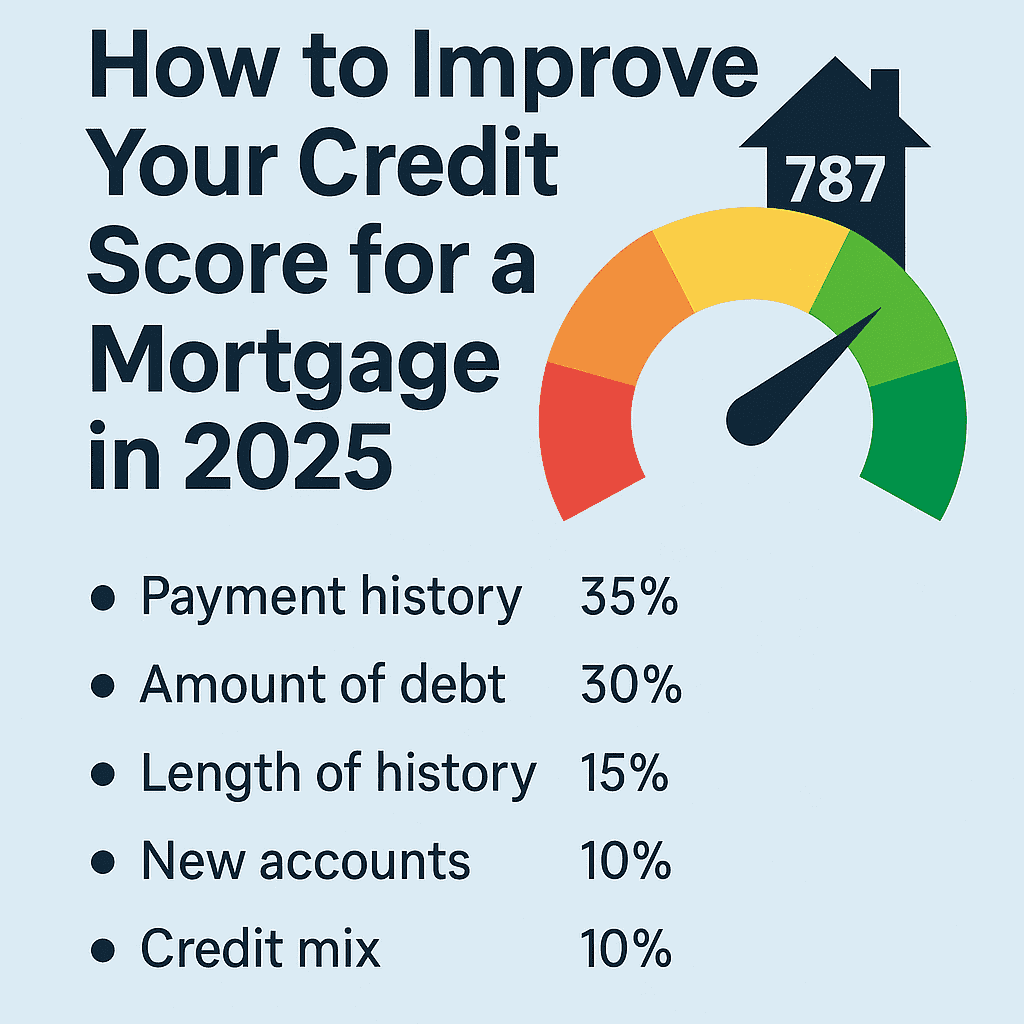
on, that make up roughly 80% of the post-class in Sugary food,. See, 90 Fed. Reg. 2434( Jan. 10, 2025). This shows that Policy Z was not intended to leave out voluntary obligations that are contracted for between parties such as speed loans. The modification enters into effect March 1, 2026. While industry groups have challenged the change in federal court, neither the district court or circuit court have advised the guideline's reliable date and the CFPB is intensely safeguarding the guideline in the lawsuits. These rates are present a minimum of through March 10, 2026, and the NCUA in 2026 will need to figure out the rates after March 10. An alleviates the monetary concerns imposed on incarcerated individuals's communications. The rules minimize existing rate caps for audio interaction and establish interim rate caps for videocommunication, both relevant to federal, state, and county reformatories, and to interactions within and throughout state lines. For all prisons and jails with typical daily populations of 1,000 or more, compliance is required by January 1, 2025. Smaller sized jails must comply by April 1, 2025. Unique provisions allow compliance as late as April 1, 2026, if specific preexisting agreement terms and conditions remained in place. See. McMahon), the staying applications not included in an earlier group but submitted throughout the post-class period by April 15, 2026. If the Department does not fulfill this decision due date, impacted customers in the post-class group will instantly get complete settlement relief. See complainants' counsels'. See also January 28, supra. Borrowers with any federal trainee loans paid out on or after July 1, 2026, will just have an option of two payment plans: a new tiered standard plan with fixed month-to-month payments and a brand-new income-driven repayment strategy called the Repayment Assistance Plan (RAP). Existing strategies (including SAVE, PAYE, IBR, ICR, 10-year standard, finished, extended, alternative )will not be readily available to anyone who obtains a federal student loan that is paid out on or after July 1, 2026. Importantly, anybody who combines their loans into a new Direct Consolidation Loan that is disbursed on or after July 1, 2026, will be dealt with as a debtor with new loans and limited to only the new RAP and standard plans. The new standard plan has repaired payments amortized over a duration that varies from 10 to 25 years, with longer repayment terms for individuals whoborrowed more. Moms and dad PLUS customers with brand-new loans after July 1, 2026, will only have access to the standard strategy. Existing Parent PLUS borrowers will lose access to income-driven repayment plans unless they combine their Parent PLUS loans into a Direct Combination Loan that is paid out before July 1, 2026. To find out more on Moms and dad PLUS borrowers, see. RAP will be extremely various from prior IDR plans. Payments in the RAP plan will be calculated at 1% to 10 %of the debtor's full adjusted gross earnings, depending upon the earnings level. The resulting month-to-month payment is lowered by $50 per reliant, with a minimum monthly payment of $10. Any staying balance will not be forgiven up until thirty years of certifying time in the strategy. The final guidelines governing these changes to student loan payment have not yet been completed. For more information, see. Starting July 1, 2026, theGrad PLUS loan program is gotten rid of totally, and there are brand-new dollar amount limits on other loans to graduate trainees. There are also brand-new limits on Parent Plus loans. In addition, schools will be enabled to lower yearly loan limitations for trainees at their school by program or school wide. This is as an outcome of the July 2025 reconciliation expense, covered in more information in.

Latest Posts
Building Stronger Financial Literacy Skills for Life

Professional Tactics for Building Credit 2026
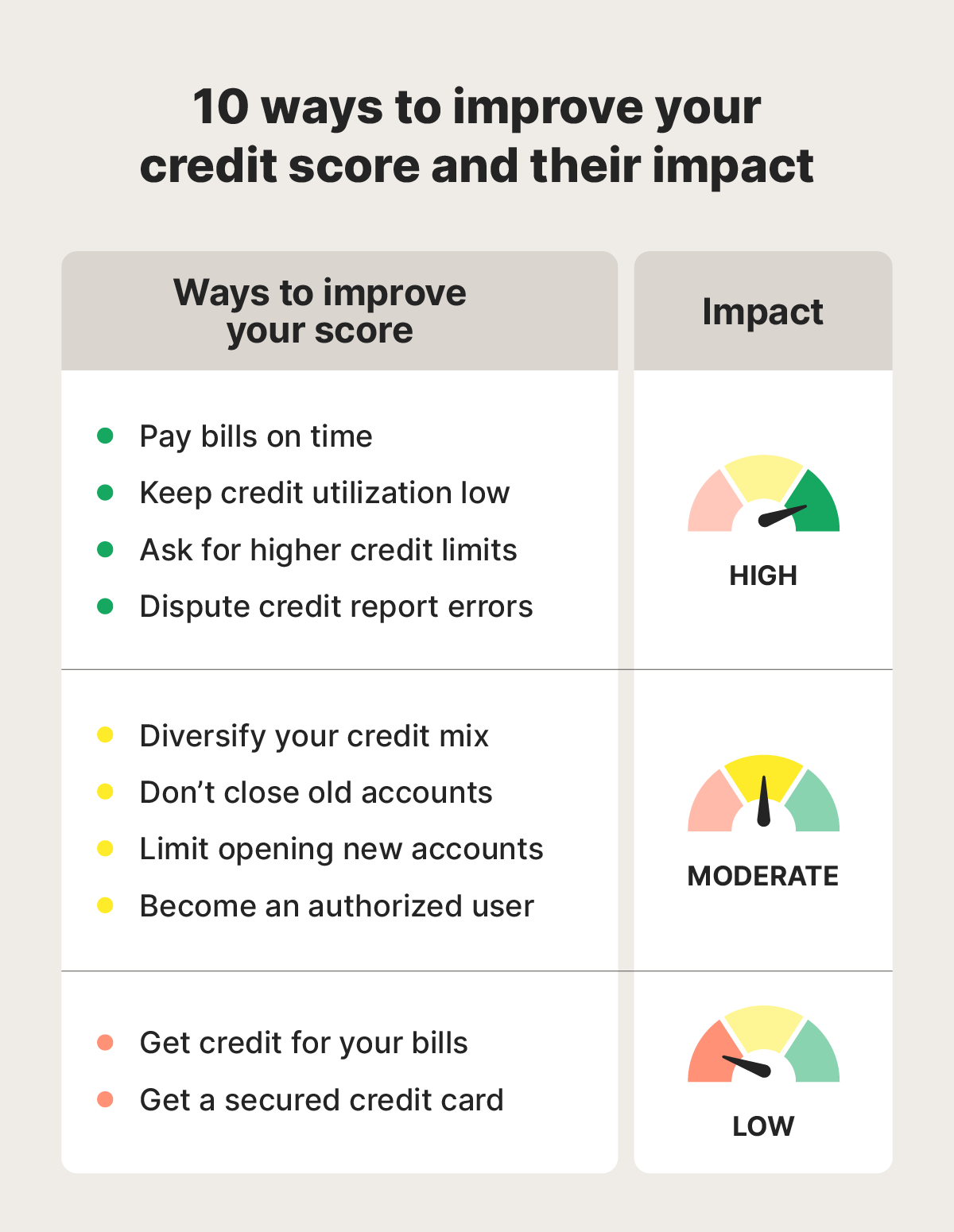
A Guide to Improving Credit in 2026