All Categories
Featured
Modern Methods to Fix My Credit 2026
Table of Contents
In 2020 alone, more than 12.1 million individuals utilized the bureau's web or print resources.
The Commission's vision is of sustained monetary well-being for all people and households in the U.S. In furtherance of this vision, the Commission sets strategic direction for policy, education, practice, research, and coordination so that all Americans make informed monetary decisions. The Commission is comprised of the heads of 24 federal agencies: Department of the Treasury (Chair), Consumer Financial Protection Bureau (Vice-Chair), Commodity Futures Trading Commission, Department of Farming, Department of Defense, Department of Education, Department of Health and Person Solutions, Department of Housing and Urban Development, Department of Interior, Department of Labor, Department of Veterans Affairs, Federal Deposit Insurance Corporation, Federal Emergency Situation Management Agency, Federal Real Estate Finance Company, Federal Reserve Board, Federal Trade Commission, General Providers Administration, National Credit Union Administration, Workplace of the Comptroller of the Currency, Office of Worker Management, Small Company Administration, Securities and Exchange Commission, Social Security Administration, and the White House Domestic Policy Council.
The meeting will be webcast here: Treasury webcast. Secretary of the Treasury Scott Bessent will chair the meeting. You do not need to register to see the webcast. If you require an affordable lodging or interaction gain access to services such as Interaction Gain Access To Real-Time Translation (CART) or indication language interpretation, please contact .
This report, also known as the Method for Assuring Financial Empowerment (SAFE) Report, highlights the appropriate activities of the agencies represented on the FLEC to advance financial literacy and education in FY 2025. Continuing its tactical focus to coordinate, support, and encourage federal government efforts to improve financial literacy and education, the FLEC is committed to serving as a partner in public and economic sector efforts to enhance Americans' financial knowledge, abilities, and decision-making and empower Americans to use these abilities to enhance their monetary wellness.
This report, works as the Financial Literacy and Education Commission's (FLEC) Strategy for Assuring Financial Empowerment (SAFE) report for FY 2022. Members of the Financial Literacy and Education Commission (FLEC) Working Group on Greater Education, with input from other FLEC members, compiled resources to offer useful information to program leaders, teachers, financial assistance experts, and trainees.
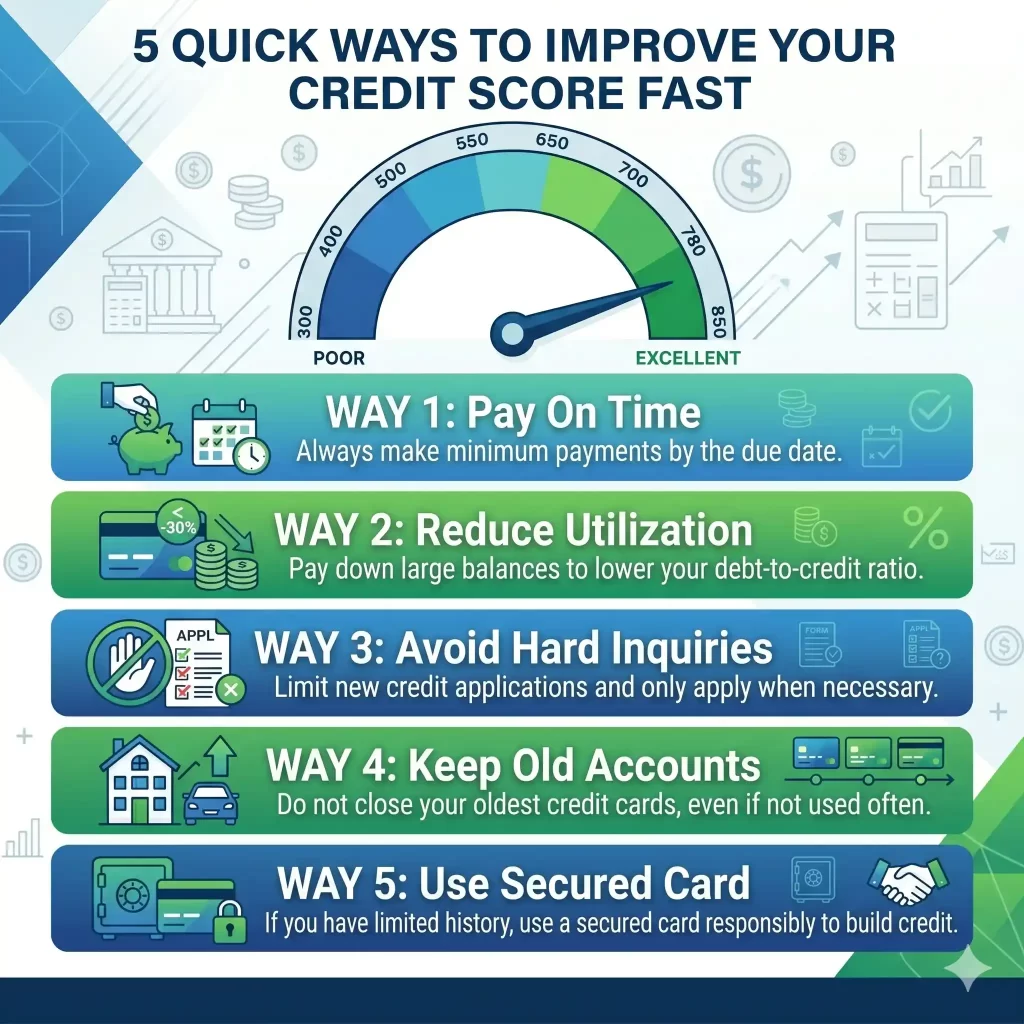
Methods to Increase Credit Score Fast 2026
This report functions as the Financial Literacy and Education Commission's (FLEC) Strategy for Assuring Financial Empowerment (SAFE) report for FY 2021. The National Technique details the federal government's financial literacy top priorities and underscores its plan to work together with state, regional, and tribal federal governments and the economic sector to reinforce financial ability for all Americans.
is the federal government's site that works as the one-stop purchase federal monetary literacy and education programs, grants and other information. is offered in English and you have a question about federal companies, programs, advantages or services connected to monetary literacy and education. Our trained professionals can address your concern in English or Spanish, or refer you to the agency that can assist.
Here is a summary including research study abstracts and hyperlinks to the short articles Incorporating Financial Ability into Youth Employment Programs is aimed at monetary institutions interested in boosting youth monetary ability by partnering with youth employment programs. It maps how and why financial organizations can engage in helping youths accomplish greater financial wellness and work success.
It maps how and why youth employment programs can partner with banks to participate in assisting youths achieve higher financial well-being and work success. This is a companion to the Resource Guide for Financial Institutions noted above. The information listed below was developed to provide information on Youth Cost savings Programs, such as in-school bank and cooperative credit union branches, which can broaden the financial ability of youth.
Tips to Boost Credit Score Quickly 2026
This list was assembled by members of the Postsecondary Subcommittee of the Financial Literacy and Education Commission (FLEC), and uses totally free resources from federal firms. This report has been prepared by the Financial Literacy and Education Commission (FLEC) and explains the state of financial education among postsecondary trainees. The report explains current efforts to enhance monetary education in a variety of institutions with concerns to student understanding of financial aid and monetary education subjects.
Incorporating Financial Capability into Youth Work Programs is intended at financial institutions interested in boosting youth monetary capability by partnering with youth work programs. It maps how and why monetary organizations can engage in assisting young people achieve greater financial well-being and work success.
It maps how and why youth employment programs can partner with banks to participate in helping youths achieve higher monetary well-being and employment success. This is a buddy to the Resource Guide for Financial Institutions noted above. The info noted below was established to offer info on Youth Savings Programs, such as in-school bank and cooperative credit union branches, which can broaden the financial capability of youth.
How to Increase Credit Score Quickly 2026This list was assembled by members of the Postsecondary Subcommittee of the Financial Literacy and Education Commission (FLEC), and offers totally free resources from federal firms. This report has actually been prepared by the Financial Literacy and Education Commission (FLEC) and explains the state of financial education among postsecondary trainees. The report explains current efforts to improve financial education in a variety of institutions with regards to trainee understanding of financial assistance and financial education topics.

Latest Posts
Building Stronger Financial Literacy Skills for Life

Professional Tactics for Building Credit 2026
A Guide to Improving Credit in 2026